Periodontal Treatment Side Effects: What Is Normal and What Is Not
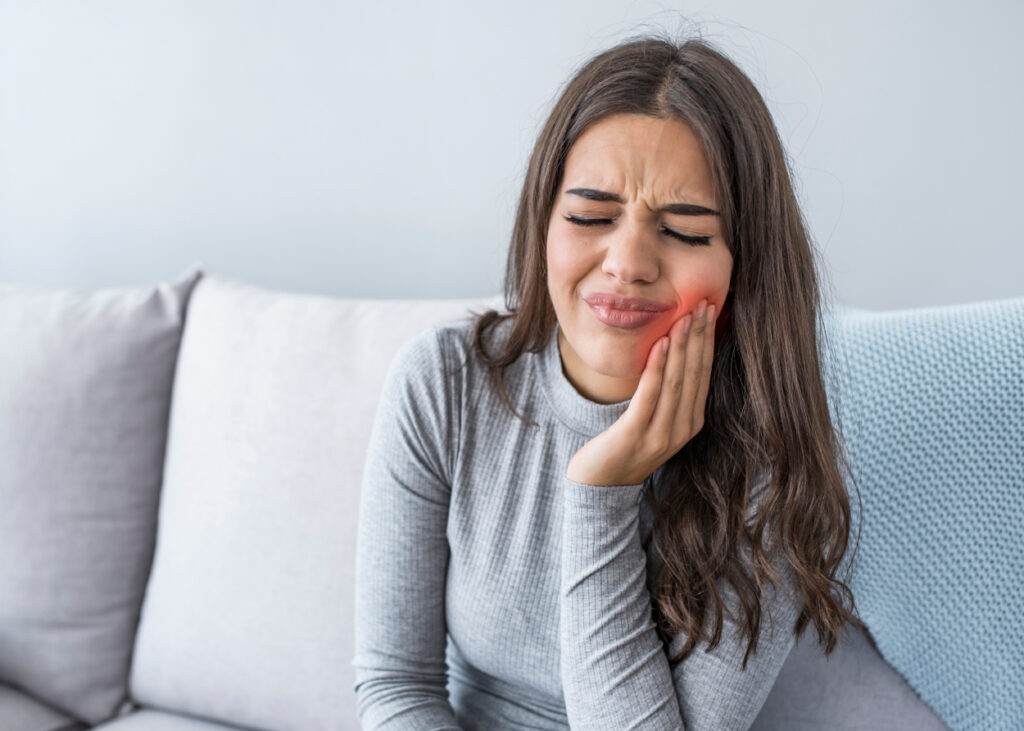
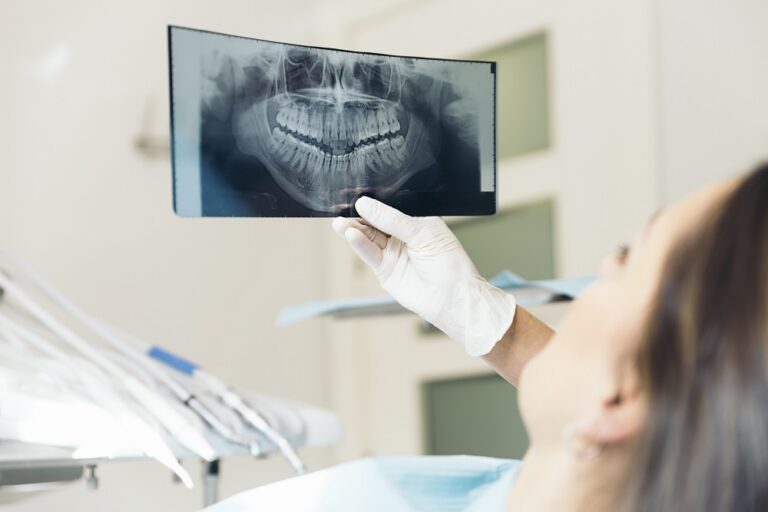
Periodontal treatment often brings a strange mix of relief and anxiety. Relief, because something is finally being done about bleeding gums, deep pockets, loose-feeling teeth, or chronic bad breath. Anxiety, because treatment can leave the mouth sore, swollen, sensitive, or simply different than expected for a while. Patients are often told, quite correctly, that some discomfort is normal. The problem is that “normal” can feel vague when your gums are tender at dinner or your teeth suddenly sting from cold water.
That uncertainty matters. Gum disease itself can be deceptively quiet until it is advanced, and the treatment used to control it can range from deep cleaning to gum surgery, bone grafting, laser therapy, and extractions. Each approach has its own recovery pattern. A mild ache after scaling and root planing is expected. Progressive swelling three days after surgery is not something to brush off. Knowing the difference helps people recover more comfortably and, just as important, helps them recognize when they need a follow-up call.
The broad goal of periodontal treatment is to reduce infection and inflammation, create an environment that is easier to keep clean, and preserve the supporting structures around the teeth. That sounds straightforward on paper. In real life, the tissues often react before they settle down. Gums that have been chronically inflamed can look, feel, and behave differently once the disease burden starts to come down. Some of the side effects that alarm patients are actually signs that the tissues are shrinking back toward health.
Why recovery can feel worse before it feels better
When someone has active periodontal disease, the gums are often puffy, tender, and full of inflammatory fluid. They may bleed easily, but they can also hide the true contour of the teeth and roots. After periodontal treatment, especially deep cleaning below the gumline, some of that swollen tissue starts to recede. Patients sometimes say, “My teeth look longer,” or “Now there are little spaces near the gumline that weren’t there before.” That can be unsettling, but it is frequently the result of inflammation resolving rather than new damage being caused.
Another source of confusion is root exposure. During disease, inflamed tissue can cover part of the root surface. After treatment, that root may become more exposed, and roots are naturally more sensitive than enamel. This is why a tooth that did not hurt before treatment can become cold-sensitive afterward. It does not automatically mean the procedure harmed the tooth. More often, it means the tissue is no longer swollen and the root is now uncovered.
Surgical procedures add another layer. If the gums are repositioned, if tissue grafts are placed, or if bone grafting is done, the area may look bruised, uneven, or patchy while healing. Color changes are common. A graft may appear pale or whitish in the early phase and then gradually blend in. Stitches can irritate the cheek or feel like fishing line in the mouth. The recovery can look dramatic, even when it is going exactly as planned.
What is usually normal after periodontal treatment
The details depend on the procedure, your general health, and how advanced the gum disease was to begin with. Still, there is a fairly consistent pattern that clinicians see every week.
- Mild to moderate soreness for a few days, especially when chewing or brushing near the treated area
- Light bleeding or pink-tinged saliva during the first day, sometimes a bit longer after surgery
- Cold sensitivity, air sensitivity, or a “zing” at the gumline that can last days to several weeks
- Gum shrinkage, teeth looking longer, or small black triangles between teeth as inflammation goes down
- Temporary difficulty chewing comfortably, speaking normally, or cleaning the area exactly as usual
That last point deserves more attention than it gets. Patients often worry that if brushing and flossing feel awkward after treatment, they are doing something wrong. Often they are simply navigating a changed landscape. A site that has been deeply cleaned or surgically treated may need a gentler technique, a softer brush, an antimicrobial rinse, or a temporary pause on flossing in one specific area. The key is to follow the post-op instructions for that exact procedure rather than assuming your old routine still applies on day two.
Pain also has texture, and that texture matters. Normal pain after non-surgical periodontal treatment is usually dull, tender, or sensitive. It tends to improve day by day, even if there are occasional spikes with cold drinks or brushing. After surgery, soreness often peaks in the first forty-eight to seventy-two hours and then starts to ease. Patients can usually point to the area and say, “It feels bruised” or “It stings when I touch it.” Those are different from deep throbbing pain, pressure that seems to build, or pain that wakes you repeatedly despite medication.
Deep cleaning has its own recovery pattern
Scaling and root planing, often called a deep cleaning, is one of the most common forms of periodontal treatment. Because it sounds less dramatic than surgery, patients sometimes expect to bounce back immediately. Some do. Others feel tender for several days, particularly if multiple quadrants were treated or if the inflammation was severe.
A common experience is a rough or “different” feeling along the roots after the anesthetic wears off. Patients sometimes interpret this as leftover tartar. Usually it is the opposite. The surface no longer has the thick deposits or swollen tissue cushioning it, so the area feels more defined. The gums may look slightly lower. There can also be a metallic taste for a day if there was significant bleeding during the procedure.
Sensitivity after deep cleaning can be stubborn. If the roots were heavily covered before treatment, their exposure afterward can make even room-temperature water feel sharp. This tends to settle, but not always overnight. In practice, some patients improve in a few days, while others need several weeks of desensitizing toothpaste, fluoride varnish, or a bonding agent placed on sensitive root surfaces. That range is normal.
One thing patients rarely expect is a change in the way their bite feels. Inflamed teeth can have a slightly cushioned sensation due to swollen surrounding tissues. Once some of that inflammation resolves, the bite may feel “off” even if the tooth positions have not changed. Usually this is temporary, but if a tooth feels distinctly high when biting, especially after splinting or a procedure involving temporary materials, it is worth a call.
Surgical gum treatment can look dramatic
Flap surgery, gingivectomy, crown lengthening, gum grafting, and regenerative procedures all ask the tissues to go through more visible healing. The mouth is highly vascular, which helps healing, but it also means swelling and bruising can look impressive. A cheek can puff up. The tissue can look red one day, pale the next, then more pink later. Dissolvable sutures can become loose and stringy before they disappear. None of that automatically signals trouble.
Many patients are surprised by how tired they feel after oral surgery, even a localized procedure. That is not imaginary. Stress, anesthesia, disrupted eating, and a mild inflammatory response can make the body feel run down. If a patient tells me they slept more than usual the day after surgery but had manageable pain and no significant swelling progression, that fits a routine recovery.
Dressings can create confusion too. Periodontal packs, when used, may feel bulky and odd. Small fragments may come away. A graft donor site on the palate can be more uncomfortable than the graft recipient site near the tooth. People are often caught off guard by that. The roof of the mouth can feel like a pizza burn for several days, and that is often the site patients complain about most.
Warning signs that deserve prompt attention
Most side effects settle gradually. The concern rises when symptoms intensify instead of easing, or when the pattern suggests infection, uncontrolled bleeding, or a problem with healing.
- Bleeding that is heavy, bright red, and does not slow with firm pressure
- Swelling that worsens after the third day, especially if it is spreading into the face or neck
- Fever, pus, foul-tasting drainage, or increasing throbbing pain
- A bad reaction to medication, including rash, vomiting, severe diarrhea, or trouble breathing
- Tissue that turns dark gray or black, or a graft that appears to be detaching completely
There are also subtler red flags. One is numbness that does not begin to improve after the local anesthetic should have worn off. Another is the inability to open the mouth comfortably several days later if it seems to be worsening rather than improving. A sudden dramatic change in bite, or a tooth that becomes acutely loose when it was not before, also warrants evaluation.
Patients sometimes hesitate to call because they do not want to “overreact.” In periodontal care, earlier contact is almost always better than late contact. A quick photo sent to the office, when appropriate, can help distinguish normal postoperative color changes from something that should be seen in person. It is much easier to reassure someone early than to manage a preventable complication after it has gained momentum.
The side effects people notice but were not warned about
Not every side effect is dangerous, but some are common enough that they deserve frank discussion. Food packing between teeth is one. When swollen tissue shrinks or the shape of the gums changes, spaces can open up. Patients may notice seeds, shredded chicken, or rice collecting in places that never trapped food before. It feels like a new problem, but in many cases it simply reveals the true anatomy that disease had disguised. The solution may involve interdental brushes, a water flosser, contouring a filling, or adjusting home care technique rather than redoing the periodontal treatment.
Another surprise is transient tooth mobility. A tooth can feel slightly looser for a short period after deep cleaning or surgery because the tissues are inflamed from treatment and the patient is now paying much closer attention to every sensation. On the other hand, severe mobility that is progressing is not something to watch casually. There is a difference between “I notice a little movement when I press with my tongue” and “I cannot chew because the tooth shifts visibly.” Judgment matters here.
Bad breath is another gray area. Mild unpleasant taste or odor for a day or two can come from blood breakdown, surgical dressing, or reduced brushing in the area. Persistent foul odor combined with pain, swelling, or discharge points more toward infection or trapped debris that needs attention.
Speech changes can happen as well, especially after grafting on the palate, after anterior surgery, or when packs are used. Most are temporary. It can take a week or https://messiahymia968.valiantfield.com/posts/how-age-influences-your-periodontal-treatment-needs two for the tongue and lips to adapt to new contours.
When “my teeth look worse” is actually part of healing
This is one of the hardest conversations in periodontal care, because the patient’s reaction is understandable. They sought treatment to improve oral health, then they look in the mirror and see longer teeth, darker spaces near the gumline, or triangles between the front teeth. If nobody prepared them for this, it feels like damage.
In reality, advanced gum disease often creates bulky, inflamed tissue that masks attachment loss underneath. Periodontal treatment removes the bacterial burden and allows the tissues to tighten and shrink. A cleaner, healthier gumline can reveal the extent of previous disease. That does not make the cosmetic impact less real, but it does change the interpretation. The treatment did not create years of bone loss in a week. It exposed what was already there.
That distinction matters because the next step is often not more emergency care but planning. Some patients benefit from desensitizing treatment and time. Others may later consider grafting, orthodontic refinement, restorative reshaping, or black triangle management if appearance or food trapping remains a concern. Health comes first, but esthetics and comfort deserve attention too.
What influences the intensity of side effects
Recovery is not the same for everyone. A patient who has a light touch of chronic gingivitis and excellent overall health will usually heal faster than someone with severe periodontitis, heavy smoking history, poorly controlled diabetes, and several deep surgical sites. It is not a character issue. It is biology.
Smoking is one of the clearest examples. Smokers can have less visible bleeding initially because nicotine constricts blood vessels, but their healing is often less predictable and the long-term outcomes are poorer. Diabetes matters too, especially if blood sugar is poorly controlled. Healing may be slower, swelling may be more pronounced, and infection risk can rise. Medications also affect the picture. Blood thinners, steroids, immunosuppressants, bisphosphonates, and even some blood pressure medications can influence tissue response and bleeding patterns.
Technique and anatomy count as well. A single small gum graft behaves differently from full-mouth scaling and root planing. Lower front teeth with thin tissue can become sensitive quickly. Upper molars near the sinuses may ache in a way that feels different from the front of the mouth. Patients with clenching habits often report more postoperative soreness because they unconsciously tense the area at night.
How to make normal side effects easier to live with
Simple measures often make a disproportionate difference. Not glamorous, just effective. Cold compresses on the outside of the face during the early window after surgery can reduce swelling. Taking prescribed or recommended pain medication before the anesthetic fully wears off often prevents the pain from catching up. Soft, cool foods are not just about comfort, they reduce the risk of disturbing fragile tissue.
Oral hygiene needs finesse, not abandonment. I often see patients swing between two extremes. Some scrub too aggressively because they are terrified of infection. Others avoid the area entirely for a week because they are afraid to touch it. Neither approach is ideal. The instructions from the periodontist or dentist should guide exactly where to brush, where to avoid brushing temporarily, and when to resume flossing or use interdental aids.
Desensitizing toothpaste can help, but it usually needs repeated use to work well. Patients often expect immediate numbness. More realistically, improvement builds over days to weeks. If sensitivity is severe, a fluoride treatment or dentin sealant at the office can help faster.
Eating also deserves a practical note. Spicy foods, crunchy breads, chips, and alcohol can irritate healing tissues more than patients expect. Hot coffee on the same day as surgery can trigger bleeding in some cases. On the other hand, skipping food entirely because the mouth feels odd can leave people lightheaded and more uncomfortable. Soft proteins, yogurt, eggs, soups once they are cooled to warm rather than hot, smoothies eaten without a straw if suction is discouraged, these details make recovery easier.
The timeline most people can expect
After non-surgical periodontal treatment, the first forty-eight hours are usually the peak for tenderness. Sensitivity can persist much longer, especially to temperature. The gums often look calmer within a week or two, but the deeper tissue remodeling takes longer than that. Follow-up probing is generally not meaningful the day after treatment because the tissues are still reacting.
After surgery, the first week is the most eventful. Swelling often peaks around day two or three, then starts to recede. Sutures may remain for one to two weeks unless they dissolve. The tissue may continue to mature and change appearance for several weeks, and in some grafting or regenerative cases, subtle remodeling continues for months. Patients sometimes assume the look at day ten is the final look. It almost never is.
One of the more reassuring moments in practice is the first maintenance visit after successful periodontal treatment. The bleeding is reduced, the tissues are firmer, and the patient can often feel the difference when brushing. The trade-off may be a bit more root sensitivity or altered spacing. That is not nothing, but compared with ongoing infection and progressive bone loss, it is usually a good bargain.
When to trust your instincts
No written guide can perfectly substitute for clinical judgment, especially if you have medical conditions, take complex medications, or had an extensive procedure. Still, patients know when something feels outside the pattern they were given. If you were told to expect mild soreness and you are pacing the floor with escalating pain, that is not a sign to be stoic. If swelling is climbing instead of dropping, call. If your medication seems to be causing a problem, call. If a graft looks very different from what your office described, call.
A useful rule is simple: expected side effects generally plateau and then improve. Concerning side effects intensify, spread, or arrive with other warning signs. That pattern is more informative than any single symptom taken alone.
Periodontal treatment is meant to stabilize a disease process that can quietly destroy the foundation of the teeth. The recovery period is rarely glamorous, and sometimes it is more noticeable than patients expect. But normal postoperative tenderness, temporary sensitivity, and visible gum changes are very different from complications that need prompt attention. When patients understand that distinction, they recover with less fear, follow instructions more effectively, and are much less likely to ignore a real problem when it appears.
Avra Dental
Address: 1708 S Victoria Ave B, Ventura, CA 93003
Phone number: (805) 941-1001
FAQ About Periodontal Treatment
Can a dentist get rid of periodontal disease?
A dentist or gum specialist (periodontist) cannot fully cure or reverse advanced periodontal disease (periodontitis), but they can successfully stop its progression and manage the infection.
Is periodontitis very serious?
Yes, periodontitis is a very serious, advanced form of gum disease that destroys the bone and tissues supporting your teeth.
How is stage 2 periodontal disease treated?
Stage 2 periodontal disease (early to moderate periodontitis) is primarily treated with non-surgical deep cleaning procedures like scaling and root planing to remove bacteria and tartar below the gumline.