How Scaling and Root Planing Fit Into Periodontal Treatment

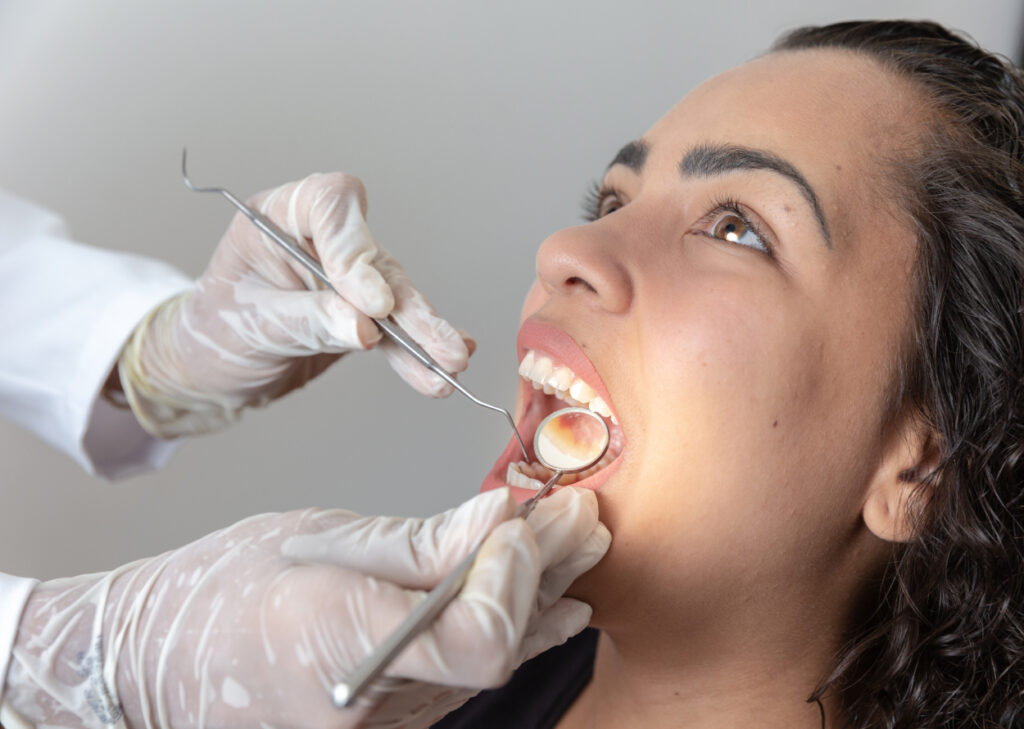
Healthy gums rarely get much attention until they start to bleed, pull away from the teeth, or make chewing uncomfortable. By the time many people hear the phrase scaling and root planing, they are already dealing with a form of gum disease that goes beyond routine plaque buildup. That matters, because periodontal disease is not simply a cosmetic issue or a matter of bad breath. It is a chronic inflammatory condition that can damage the tissues and bone supporting the teeth, and in advanced cases, it can lead to tooth loss.
Scaling and root planing sits at a key point in periodontal treatment. It is often the first active therapy used when gingivitis has progressed into periodontitis, or when periodontal pockets have become deep enough that a standard cleaning will not reach the infected area effectively. Patients sometimes call it a “deep cleaning,” which is understandable, but that shorthand can undersell what it actually does. This is not just polishing away stain or tartar above the gumline. It is a deliberate, therapeutic procedure aimed at stopping disease progression by removing bacterial deposits and disrupting the inflamed https://jasperxqtj261.inkharbory.com/posts/periodontal-treatment-for-seniors-special-considerations environment beneath the gums.
In everyday clinical practice, scaling and root planing is one of the most useful tools for managing moderate gum disease without jumping straight to surgery. It can dramatically reduce inflammation, improve gum attachment, and make home care more effective. It is not magic, and it is not the final answer for every patient. Still, when chosen at the right time and followed with thoughtful maintenance, it often changes the course of the disease.
What the procedure actually involves
Scaling refers to the removal of plaque, calculus, and bacterial toxins from the tooth surface, especially below the gumline. Root planing goes a step further by smoothing the root surfaces so bacteria are less likely to cling to rough areas, and so the gums have a better chance of reattaching more closely to the tooth.
The reason this matters becomes obvious once periodontitis develops. In a healthy mouth, the space between the tooth and gum is usually shallow enough that brushing, flossing, and routine prophylaxis can keep it stable. Once that space deepens into a periodontal pocket, oxygen levels drop, more harmful bacteria thrive, and the area becomes harder to clean. The immune system responds, inflammation increases, and the tissues that anchor the tooth begin to break down. Left alone, the problem tends to worsen gradually, though some patients experience periods of rapid progression.
Scaling and root planing is designed to interrupt that cycle. The clinician works below the gumline using hand instruments, ultrasonic devices, or a combination of both. Local anesthetic is often used, especially when multiple teeth are involved or pockets are deep. Some practices treat one quadrant at a time, while others complete one side of the mouth per visit. The schedule depends on disease severity, patient comfort, medical history, and how likely the patient is to tolerate a longer appointment.
Patients are often surprised by how methodical the process is. The goal is not simply to “scrape harder.” It is to thoroughly debride root surfaces while preserving healthy tooth structure and minimizing unnecessary trauma to the soft tissue. A good result depends on access, visibility, instrument control, and clinical judgment. A shallow site with light calculus calls for a different touch than a furcation area on a molar with tenacious subgingival deposits.
Why a regular cleaning is not the same thing
One of the most common misconceptions is that scaling and root planing is just a more expensive version of a normal cleaning. It is not. A routine dental cleaning, often called prophylaxis, is intended for mouths that are generally healthy or for patients without active periodontal breakdown. It focuses on removing plaque and calculus from areas that are accessible and maintaining a stable oral environment.
Scaling and root planing is performed because disease is already present. The gums are inflamed, periodontal pockets are deeper than normal, and there may be attachment loss or bone loss. In that setting, a standard cleaning is often inadequate. It can improve the appearance of the teeth, but it does not adequately treat the infected subgingival environment.
This distinction matters for both treatment planning and expectations. If someone with active periodontitis keeps receiving only routine cleanings, the visible tartar may be removed while the more destructive bacterial colonies remain below the gums. The mouth can look cleaner and still continue to lose support around the teeth. That gap between appearance and actual disease control is one reason periodontal charting, probing depths, bleeding points, and radiographs are so important.
Where scaling and root planing fits in the larger picture of periodontal treatment
Periodontal treatment is rarely a single event. It is a sequence of diagnosis, active therapy, reevaluation, and maintenance. Scaling and root planing typically lives in the active therapy phase, after a careful exam has confirmed that the disease extends below the gumline and before more invasive procedures are considered.
For many patients, the flow looks something like this in practical terms. First comes the periodontal evaluation. That usually includes measuring pocket depths, checking for bleeding on probing, assessing gum recession, recording tooth mobility, and reviewing radiographs for bone loss. The clinician also looks at factors that shape the disease pattern, such as smoking, diabetes, dry mouth, clenching, crowded teeth, defective restorations, and oral hygiene habits.
Once the diagnosis is clear, scaling and root planing is often recommended as the first line of treatment. In mild to moderate cases, it may be enough to stabilize the condition on its own. In more advanced cases, it serves as the essential foundation before surgery is even considered. Operating on tissues that are heavily inflamed and coated with subgingival calculus tends to produce poorer outcomes. Non surgical therapy reduces the bacterial load, lowers inflammation, and reveals which pockets improve and which sites still need additional intervention.
After treatment, reevaluation is critical. This step gets skipped in casual discussions, but it is where the real judgment happens. Not every 6 millimeter pocket becomes a 3 millimeter pocket, and not every bleeding site heals at the same pace. Some areas respond beautifully once the deposits are removed and the patient improves home care. Others remain problematic because of root grooves, furcations, smoking, uncontrolled diabetes, or simply the extent of the underlying damage. At that point, the clinician decides whether maintenance, localized retreatment, adjunctive antimicrobials, or periodontal surgery makes the most sense.
That is the proper place of scaling and root planing within periodontal treatment. It is neither trivial nor all powerful. It is foundational care that often determines what comes next.
What makes someone a candidate
Not every patient with bleeding gums needs scaling and root planing. Gingivitis, which involves gum inflammation without loss of bone or attachment, may improve with a professional cleaning and better daily plaque control. The treatment changes when examination findings show deeper involvement.
A person becomes a likely candidate when there are periodontal pockets beyond the normal range, bleeding on probing, radiographic bone loss, subgingival calculus, or signs of clinical attachment loss. Persistent bad breath, drifting teeth, gum recession, or tenderness while chewing can also be clues, though some patients have surprisingly little discomfort even with significant disease.
Age alone does not decide the issue. I have seen younger adults with aggressive patterns of destruction around incisors and molars, and older adults with minimal periodontal damage despite decades of imperfect brushing. Risk matters more than age. Smoking is a major one. It changes the way the gums look and heal, often masking obvious bleeding while worsening the disease underneath. Diabetes, especially if poorly controlled, can also intensify inflammation and reduce the body’s ability to recover predictably.
Medical history influences the plan as well. Patients taking anticoagulants, those with immune compromise, and people who struggle to sit through longer appointments may need modifications. None of that rules out treatment. It simply affects how carefully the appointments are staged and what follow-up is required.
What happens during the appointment
The actual appointment is usually more manageable than patients expect. Fear tends to come from not knowing whether the procedure will be painful or whether recovery will be difficult. When the area is well anesthetized and the treatment is explained clearly, most people tolerate it well.
Ultrasonic scalers are commonly used to break up calculus and flush out debris with water or antimicrobial irrigation. Hand curettes then refine the root surface and reach areas that need more tactile precision. Clinicians differ in their preferred sequence, but the objective remains the same, thorough subgingival debridement without overinstrumenting the root.
Appointments often last between 45 minutes and two hours depending on how many areas are treated, how much calculus is present, and how complex the anatomy is. Molars with furcation involvement, for example, take more time than smooth single rooted teeth. So do patients who have gone many years between visits and accumulated dense, burnished deposits below the gumline.
Sensitivity during healing is common, especially to cold. The gums may shrink slightly as inflammation resolves, exposing root surfaces that were previously covered by swollen tissue. That change can concern patients if they were not warned about it in advance. In reality, some of what looks like “new recession” is the healthy reduction of puffiness and edema. It is better to know that before treatment than to mistake healing for harm.
The first few weeks after treatment
The post treatment period is where early gains are either supported or undermined. The tissue needs a cleaner environment to heal, which means home care becomes more important, not less. Patients sometimes hesitate to brush thoroughly because the gums feel tender. That is understandable, but heavy plaque accumulation during healing can erase progress fast.
Most people do well with a soft toothbrush, gentle but thorough cleaning along the gumline, and whatever interdental tools their clinician has recommended. Sometimes a water flosser helps, though it should complement, not replace, physical plaque removal. Desensitizing toothpaste can be useful for exposed root sensitivity, and warm saltwater rinses may soothe tissue in the first day or two if the office suggests them.
There are a handful of short term changes patients should expect:
- Mild soreness or tenderness for a few days
- Increased cold sensitivity, especially at the roots
- Slight gum shrinkage as swelling resolves
- Less bleeding over time if plaque control improves
- A cleaner feeling in areas that had been inflamed for months
That last point sounds minor, but patients often notice it right away. Food stops packing as much. The gums feel less spongy. Brushing does not leave the sink pink every morning. Those are meaningful changes, and they reinforce why the procedure was necessary.
How success is measured
The best results are not judged on the day of treatment. They show up at reevaluation, often four to eight weeks later, depending on the case. Clinicians look for reduced bleeding, shallower probing depths, firmer gum tissue, and more stable plaque control. In some cases, there is also improved comfort while chewing and less mobility in teeth that had been inflamed.
Success is not always dramatic from the patient’s perspective. Sometimes the biggest gain is disease stabilization. If a 7 millimeter bleeding pocket drops to 4 or 5 millimeters and becomes easier to maintain, that can be a very good result. It may mean surgery is avoided, or at least limited to a few stubborn areas instead of the whole mouth.
Radiographs do not usually show immediate bone regeneration after scaling and root planing, and they are not the main short term metric. Bone changes, when they occur, take time and are often modest. The more realistic early target is to stop active breakdown and create conditions that are compatible with maintenance.
This is where experienced clinical judgment matters. Not every residual pocket means failure. A patient with deep molar furcations, a long smoking history, and limited dexterity may never probe like a textbook case. The meaningful question is whether the mouth is more stable, less inflamed, and maintainable over time.
When scaling and root planing is enough, and when it is not
One of the strengths of scaling and root planing is that it often produces substantial improvement without surgery. In mild to moderate periodontitis, especially when the patient is motivated and returns for maintenance, it can be the treatment that turns a deteriorating mouth into a stable one.
Still, there are limits. Deep angular defects, advanced furcation involvement, persistent pockets that continue to bleed, or areas blocked by difficult anatomy may not respond sufficiently. In those cases, periodontal surgery may be needed to gain better access, reduce pocket depth, regenerate lost structures where possible, or reshape tissue to make long term cleaning realistic.
A common example is the lower molar with furcation involvement. Even excellent non surgical care may not fully resolve disease when bacteria and calculus are tucked into spaces between the roots. Another example is a patient who has generalized 6 to 8 millimeter pockets, heavy bone loss, and significant mobility. Scaling and root planing may reduce inflammation enough to save some teeth, but it may also reveal which sites have a guarded prognosis despite everyone’s best effort.
That is not a knock against the procedure. It is part of honest treatment planning. Periodontal treatment works best when expectations are realistic. Scaling and root planing is often the right first move, not because it fixes everything, but because it clarifies what is reversible and what is not.
The role of antibiotics and adjunctive therapies
Patients often ask whether antibiotics can replace deep cleaning. In most cases, they cannot. Periodontal disease is driven by bacterial biofilm attached to root surfaces and protected within pockets. Mechanical disruption is still the central treatment. Systemic antibiotics may be considered in specific situations, but they are not a substitute for removing the source of irritation.
Local antimicrobials, antimicrobial rinses, laser use, and host modulation strategies are sometimes discussed as adjuncts. These can have a role in selected cases, but their value depends heavily on proper case selection and on whether the root surfaces have been adequately cleaned first. No rinse or medicament performs well in a pocket filled with undisturbed calculus.
What matters most in practice is not novelty, but fit. An adjunct should solve a real problem. If a patient has a localized residual 5 or 6 millimeter site that keeps bleeding despite good home care and otherwise successful scaling and root planing, a targeted add on may be sensible. If the whole mouth is still covered in plaque, the problem is more basic.
Why maintenance determines the long term outcome
The most beautifully executed scaling and root planing will fail over time if the disease is allowed to return unchecked. Periodontitis is chronic. That means successful treatment is less like repairing a broken appliance and more like controlling high blood pressure. The condition can be managed very well, but it needs follow through.
Periodontal maintenance visits are not interchangeable with routine cleanings. They are designed for patients with a history of periodontal disease and usually occur at shorter intervals, often every three to four months at first. That frequency is not arbitrary. The bacterial ecosystem in periodontal pockets can repopulate surprisingly quickly, and patients who have already lost attachment are more vulnerable to renewed breakdown.
Maintenance appointments typically involve updated probing where needed, review of bleeding and plaque patterns, removal of new deposits above and below the gumline, and reassessment of areas that have been unstable in the past. These visits are also where clinicians catch subtle changes before they become major setbacks. A new 6 millimeter bleeding site around a previously stable molar is much easier to address early than after six or twelve more months of progression.
I have seen patients do well for years after scaling and root planing when they committed to maintenance, even with a history of significant bone loss. I have also seen the opposite, where a patient felt better after treatment, skipped follow up, and returned with recurrent inflammation and deeper pockets. The procedure opens the door to stability. Maintenance keeps it open.
Patient habits that make the biggest difference
Technique at home matters more than perfection. Patients often imagine they need an elaborate routine, but consistency is usually the deciding factor. Effective brushing along the gumline, proper use of floss or interdental brushes, tobacco cessation when possible, and control of systemic factors like diabetes can shift the prognosis meaningfully.
The challenge is that home care has to match the anatomy. Tight contacts, bridges, implants, crowded teeth, recession, and dexterity issues all change what is practical. A patient with arthritic hands may do far better with an electric brush and interdental picks than with traditional floss. Someone with wide embrasures after bone loss may need interdental brushes because floss alone is not contacting enough of the root surface. Good periodontal care is specific. Generic advice tends to fail because it ignores the geometry of the individual mouth.
This is also where motivation becomes visible. Patients who understand what the procedure was trying to accomplish usually put more effort into preserving the result. The shift is noticeable. Instead of asking, “Do I really need all this?” they start asking, “What tool will help me keep that lower molar clean?” That is when long term periodontal treatment starts working as intended.
The broader significance of treating gum disease early
Scaling and root planing is valuable partly because it gives clinicians a chance to intervene before tooth loss becomes the dominant issue. Once bone support is severely compromised, treatment becomes more complex, more expensive, and less predictable. Saving a tooth with moderate attachment loss is often far easier than replacing a tooth that has already been lost, especially when the surrounding bone and soft tissue have also deteriorated.
Early treatment also protects options. A patient whose disease is brought under control with non surgical therapy may avoid surgery altogether. Even when surgery is needed later, outcomes are generally better in a mouth where inflammation has already been reduced and the patient has demonstrated reliable plaque control.
That practical benefit should not be underestimated. The best periodontal care is rarely dramatic. It is steady, preventive, and a little unglamorous. It involves careful measurements, disciplined instrumentation, realistic conversations, and repeat maintenance. Scaling and root planing embodies that approach. It is a workhorse procedure, deeply rooted in sound biology and still central to modern periodontal treatment because it addresses the disease where it starts, at the tooth and root surface below the gums.
When patients understand that, they usually stop thinking of it as “just a deep cleaning.” They begin to see it for what it is, a targeted treatment that can arrest active disease, improve gum health, and preserve teeth that might otherwise keep slipping toward instability. In periodontal care, that is not a small role. It is one of the most important ones.
Avra Dental
Address: 1708 S Victoria Ave B, Ventura, CA 93003
Phone number: (805) 941-1001
FAQ About Periodontal Treatment
Can a dentist get rid of periodontal disease?
A dentist or gum specialist (periodontist) cannot fully cure or reverse advanced periodontal disease (periodontitis), but they can successfully stop its progression and manage the infection.
Is periodontitis very serious?
Yes, periodontitis is a very serious, advanced form of gum disease that destroys the bone and tissues supporting your teeth.
How is stage 2 periodontal disease treated?
Stage 2 periodontal disease (early to moderate periodontitis) is primarily treated with non-surgical deep cleaning procedures like scaling and root planing to remove bacteria and tartar below the gumline.